
Complete Systems for Properties Without Existing Infrastructure
Septic Installation & Upgrades in Brandon for new construction, failed system replacement, increased household capacity, and property additions
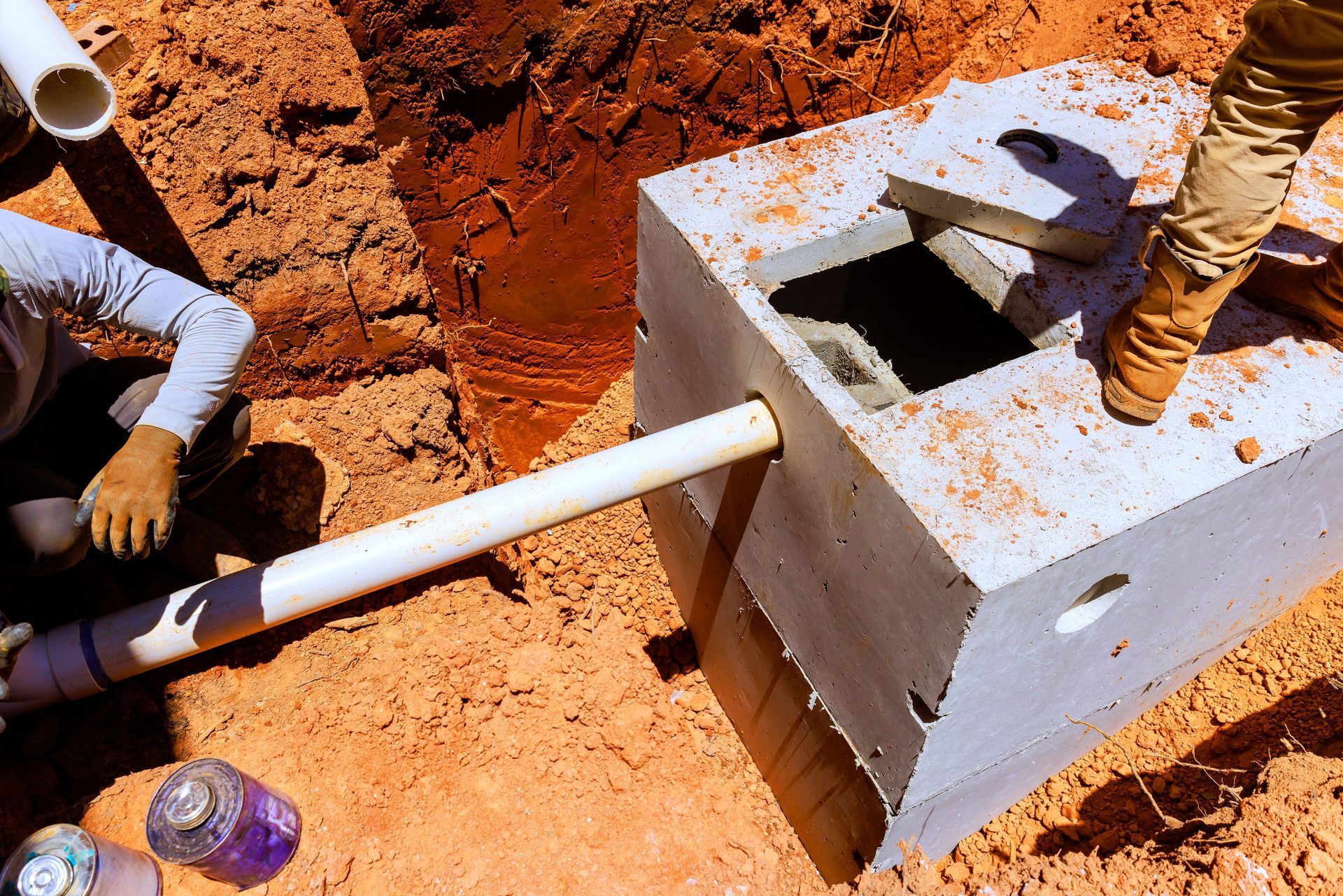
Properties without access to municipal sewer lines require an onsite septic system that treats and disperses all household wastewater into the soil. Gulf Coast Septic, LLC provides septic installation and upgrade services in Brandon for new construction, properties where existing systems have failed beyond repair, homes requiring larger capacity due to occupancy increases, and additions like ADUs that generate wastewater beyond original design limits. The system you need depends on whether you're building on raw land, replacing a compromised system, expanding capacity for a growing household, or adding livable space that increases daily wastewater volume—each scenario requires different design considerations and permitting processes.
A complete installation includes sizing the tank based on bedroom count and projected daily flow, designing a drain field that matches soil absorption capacity measured through percolation testing, and positioning components to meet setback requirements from wells, property lines, and water bodies. In Brandon, high water tables and sandy soils affect drain field depth and configuration, often requiring mound systems or raised beds rather than conventional trenches.
Request a site evaluation to determine what system type and capacity your property requires.
What Determines the Right Installation Approach
System design begins with property assessment that measures soil percolation rates, identifies seasonal high water table depth, evaluates available space, and confirms setback compliance. A four-bedroom new construction requires a minimum 1,500-gallon tank and approximately 600 square feet of drain field in soil with moderate percolation, but that same bedroom count on a lot with clay soils and poor drainage might require an engineered system with pumps and elevated absorption areas. The difference between a straightforward installation and one requiring specialized design comes down to what soil testing reveals about how quickly your property can absorb and filter treated effluent.
After installation is complete, your property has a fully functional wastewater treatment system that operates invisibly—toilets flush, showers drain, and appliances discharge without any indication that processing is happening underground rather than through municipal pipes. Gulf Coast Septic, LLC provides as-built drawings showing exact component locations, which you'll need for future maintenance and if you ever sell the property.
Upgrades differ from full replacements in that portions of the existing system remain functional and only specific components are expanded or improved, such as adding a second tank to increase retention time, extending the drain field to handle additional bedrooms, or installing a distribution box to replace gravity flow with controlled effluent dispersal. The evaluation process determines whether your situation calls for targeted upgrades or complete system replacement.
Questions Homeowners Ask About New Systems
Property owners planning construction, dealing with failed systems, or adding living space need to understand how septic installation and upgrade decisions affect project timelines, costs, and long-term functionality. These answers address the most common planning considerations.
- What information is needed before designing a septic system for new construction? The designer needs bedroom count to calculate daily wastewater volume, a percolation test to measure soil absorption rates, a survey showing property boundaries and setback requirements, and water table depth data that determines how deep components can be buried. Without percolation test results, no design can be finalized or permitted.
- Can an existing septic system be expanded instead of replaced when adding square footage? If the current tank and drain field are still functional and your lot has space for additional absorption area, you can often add capacity by installing a larger tank or extending the drain field rather than replacing the entire system. The decision depends on component condition and whether existing infrastructure meets current code standards.
- How does soil type in Brandon affect septic system design and installation? Sandy soils drain quickly but provide less filtration, often requiring larger drain fields to ensure adequate treatment before effluent reaches groundwater; clay soils drain slowly and may require mound systems or spray irrigation fields that distribute effluent above natural grade. Percolation testing measures the specific rate for your lot.
- Does an accessory dwelling unit always require a separate septic system? If your existing system was sized for the main house only and adding an ADU exceeds design capacity, you'll need either a capacity upgrade to the current system or a dedicated system for the new structure. Bedroom count and projected occupancy determine whether expansion is sufficient or a separate system is required.
- What's the difference between a conventional septic system and an engineered system? Conventional systems rely on gravity to move effluent from the tank to a subsurface drain field in trenches, which works when soil percolation and water table depth are favorable; engineered systems use pumps, timers, elevated mounds, or spray dispersal when site conditions prevent conventional installation. Engineered systems cost more upfront and require electrical components that need occasional maintenance.
Gulf Coast Septic, LLC evaluates your property conditions and project requirements to recommend the installation or upgrade approach that meets regulatory standards and handles your household's wastewater volume. Contact us to schedule a site assessment that clarifies what system your specific situation requires.