
Wastewater Systems That Support Additional Living Space
Mother-In-Law Suites & Accessory Dwelling Units (ADUs) in Tampa for properties adding guest houses, rental units, or multigenerational housing
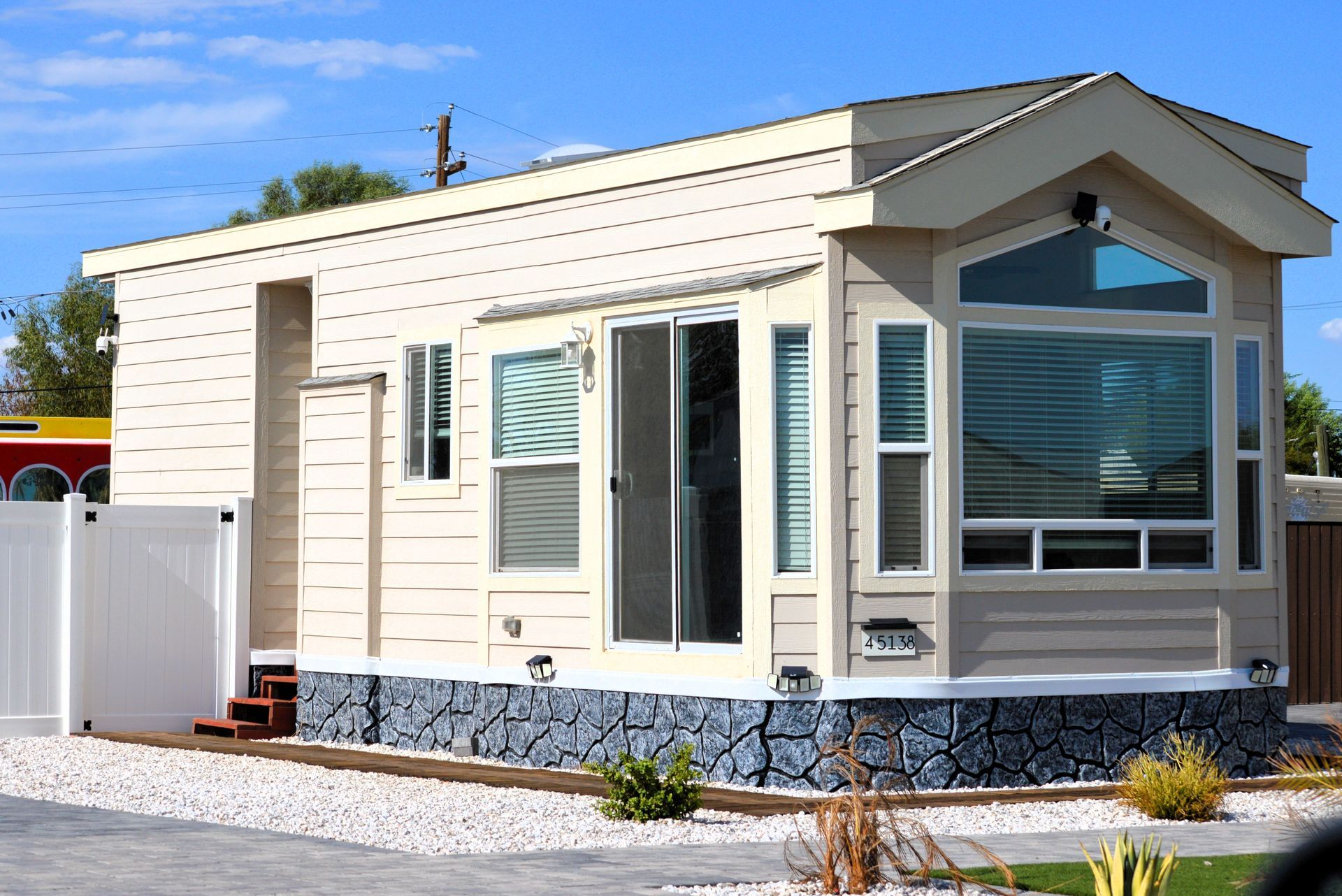
Accessory dwelling units and mother-in-law suites in Tampa increase wastewater flow beyond what most residential septic systems were originally designed to handle. The original system may have been sized for a three-bedroom home, but adding a detached suite with its own bedroom, bathroom, and kitchen creates the equivalent of a four- or five-bedroom property in terms of daily septic load. Gulf Coast Septic, LLC evaluates whether your current septic tank and drain field can absorb the additional flow or whether capacity upgrades are necessary before construction permits are issued.
Florida regulations tie septic system sizing to bedroom count and fixture totals, not just total square footage, which means even a compact 600-square-foot guest house can trigger the need for a larger tank or expanded drain field. Health departments review septic capacity during the permitting process, and undersized systems result in permit denials that delay or halt construction until upgrades are completed.
Arrange a site evaluation to determine what septic modifications align with your ADU or suite design and timeline.
What You Notice Once System Upgrades Are Finished
Once the upgraded septic system is operational, the expanded tank handles higher daily wastewater volumes without frequent pumping intervals, and the additional drain field area absorbs effluent without surfacing, odors, or soggy zones that indicate overload. Plumbing fixtures in both the main house and the new suite drain normally, and you no longer see slow drains or backups that occur when a system is pushed beyond its absorption capacity.
The new system components—whether a larger tank, additional drain field trenches, or a replacement system in a better location—are permitted and inspected, which satisfies local health department requirements and allows your ADU construction to proceed to final occupancy approval. Proper capacity means the system continues functioning correctly even with multiple occupants using water simultaneously in different buildings on the property.
Upgrades also account for future property use, so if you later add another bathroom or convert additional space, the system has capacity built in rather than requiring immediate modifications again. Site evaluations identify the most practical expansion approach based on available property area, setback distances from wells and property lines, and soil conditions that affect drain field performance.
Answers to Frequent Service Questions
Property owners building mother-in-law suites or accessory dwelling units often have specific concerns about septic system requirements, costs, and timing relative to construction schedules.
- What septic capacity does a typical mother-in-law suite require? A one-bedroom suite with a full bathroom and kitchenette typically adds 150 to 200 gallons per day to your property's wastewater flow, which may require a tank upgrade from 1,000 gallons to 1,500 gallons and an additional 200 to 300 square feet of drain field area, depending on soil percolation rates and existing system age.
- How does soil type in Tampa affect drain field expansion options? Tampa's sandy soils generally percolate well, which allows for conventional drain field trenches in most cases, but properties with high water tables, clay lenses, or compacted fill may require mound systems, at-grade systems, or aerobic treatment units that function in less-than-ideal soil conditions.
- When is a full system replacement more practical than expansion? If the existing tank is decades old, shows cracks or deterioration, or sits in a location that conflicts with the planned ADU footprint or required setbacks, replacing the entire system in a new location often makes more sense than patching together an aging system with new drain field sections.
- What happens if there's no room on the property to expand the drain field? Gulf Coast Septic, LLC can evaluate alternative system types such as drip irrigation systems, aerobic treatment units with smaller footprints, or engineered designs that work within constrained site boundaries while still meeting Florida Department of Health flow requirements for the expanded property.
- How long does a septic upgrade typically take before ADU construction can resume? Once permits are obtained, tank installation and drain field expansion generally take three to five days depending on site conditions and system complexity, followed by health department inspection and approval before the ADU's plumbing rough-in and construction phases can proceed.
Gulf Coast Septic, LLC provides complete septic evaluations and upgrade services that support accessory dwelling unit construction and multigenerational housing projects throughout Tampa. Contact our team to review your property's current system capacity and receive recommendations that keep your project on schedule and compliant with local requirements.