
New Absorption Areas When Existing Fields Fail
Drain Field Replacement in Brandon for complete field failure, saturated soil, biomat-sealed absorption areas, and systems beyond repair
A drain field reaches the end of its functional life when the soil has become so saturated with biomat or effluent that it no longer absorbs wastewater, causing sewage to surface in the yard or back up into the home regardless of how recently the tank was pumped. Replacement becomes necessary when diagnostic evaluation confirms that the soil throughout the existing absorption area has been sealed by biological growth, when trenches have collapsed or filled with sediment that cannot be cleared, when root infiltration has damaged the field so extensively that repairing individual sections provides no lasting solution, or when the original field was undersized for current household occupancy and adding absorption area isn't possible in the existing location. Gulf Coast Septic, LLC replaces failed drain fields by designing a new absorption system in a different area of the property where soil still has infiltration capacity, ensuring the new field is sized correctly for current wastewater volume and complies with setback requirements that may have changed since the original installation.
Replacement involves site evaluation to identify suitable soil in an area that hasn't been exposed to septic effluent, percolation testing to confirm the new location can handle the required absorption rate, designing a field that meets current code standards for size and configuration, and installing new distribution lines, gravel bedding, and soil cover in the selected area. In Brandon, replacement fields often require different locations than original fields because older systems were sometimes placed too close to wells or property lines under regulations that have since become more restrictive.
Request a property assessment to determine where a replacement field can be installed and what capacity it needs.
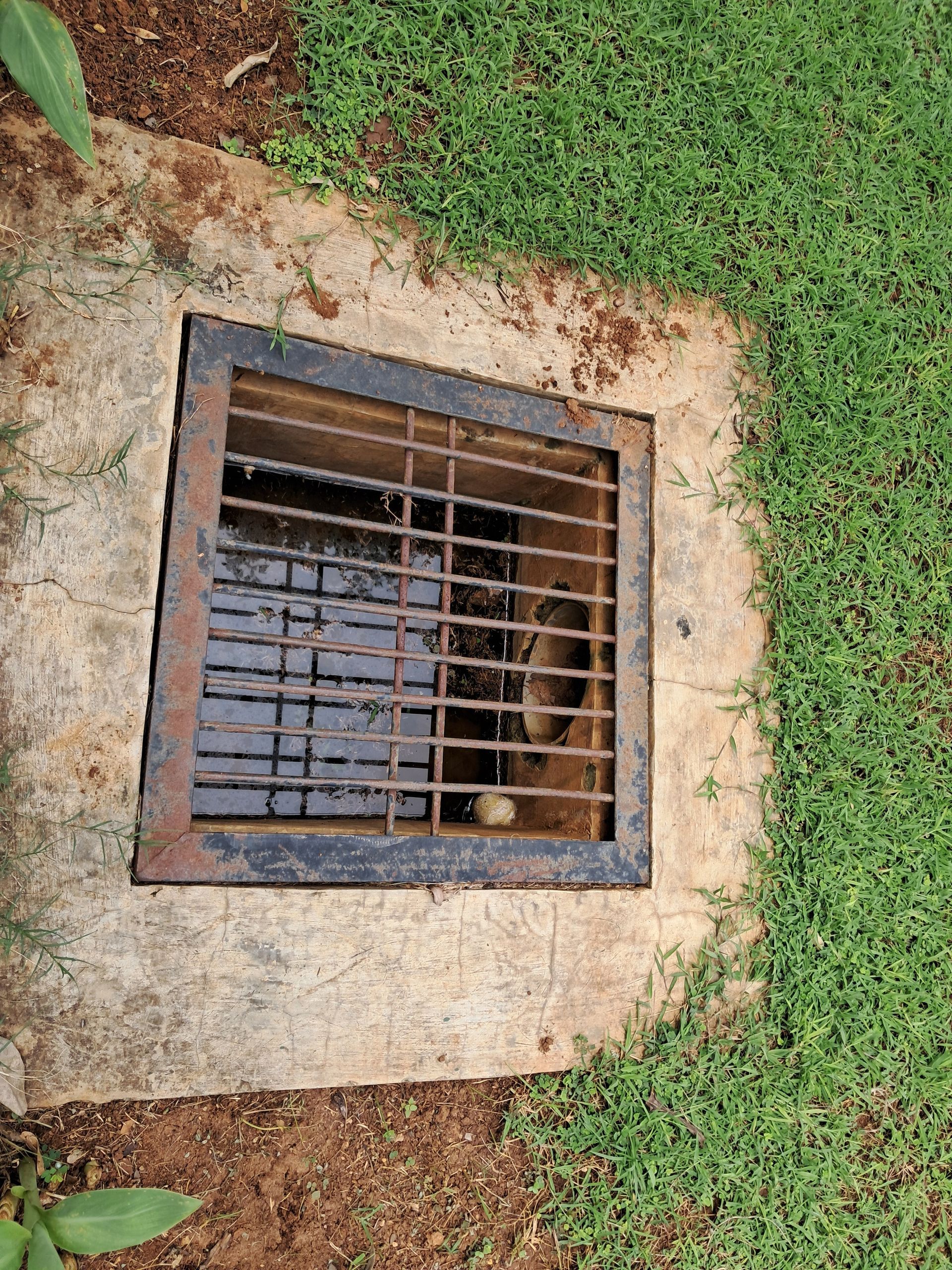
Why Fields Fail and What Replacement Involves
Drain fields fail when biomat accumulates faster than natural soil processes can break it down, which happens when tanks are not pumped regularly and solids overflow into the field, when garbage disposals send excessive organic material into the system, or when household water use exceeds design capacity and keeps the field continuously saturated. Fields also fail mechanically when tree roots infiltrate and crush lateral lines, when vehicles compact soil and gravel above trenches, or when poor original design placed trenches in soil with inadequate percolation. The replacement process includes diagnosing why the original field failed so the new design avoids repeating those conditions, whether that means sizing up for actual occupancy, relocating away from root zones, or selecting soil with better drainage characteristics.
After replacement is complete, drains function normally, wet areas dry up permanently, sewage odors disappear, and the property has a fully functional absorption system that handles daily wastewater volume without surfacing or backing up. You'll notice that toilets flush cleanly, showers drain at the same rate as when first used, and the yard remains dry even during periods of high household water use. Gulf Coast Septic, LLC provides as-built documentation showing the new field location, which you'll need for maintenance planning and property records.
Replacement doesn't always mean the existing septic tank also needs to be replaced—if the tank is structurally sound, has intact baffles, and is sized appropriately for the household, it can remain in service and simply be reconnected to the new field. The evaluation determines which components need replacement and which can continue functioning, avoiding unnecessary costs while ensuring the entire system operates correctly.
What Homeowners Need to Know About Replacement
Facing drain field replacement raises questions about costs, timelines, property disruption, and how to avoid repeating the failure. These answers clarify what the replacement process involves and what determines where a new field can be installed.
- How do I know if my drain field needs replacement rather than repair? If excavation reveals that soil throughout the field is black, greasy, and saturated with biomat, or if the field has been repaired multiple times and continues failing, replacement is necessary because the soil has lost its absorption capacity permanently. Repairs work only when failure is isolated to specific components and surrounding soil still functions.
- Can a new drain field be installed in a different area of the property? Yes, replacement fields are typically located in previously unused areas where soil has not been exposed to effluent and retains full absorption capacity. The new location must meet setback distances from wells, property lines, buildings, and water bodies, and must have soil that passes percolation testing.
- Does the septic tank need to be replaced when the drain field is replaced? Not necessarily—if the tank is structurally intact, properly sized for your household, and has functional baffles, it can remain in place and be connected to the new field. Tank replacement is required only if the tank is cracked, undersized, or otherwise compromised.
- What causes drain fields to fail prematurely in Brandon? Common causes include infrequent tank pumping that allows solids to overflow into the field and form biomat, high water tables that keep soil saturated and prevent absorption, tree root infiltration that crushes distribution lines, and undersized fields that were never adequate for actual household occupancy. Identifying the cause shapes the replacement design to prevent recurrence.
- How long does drain field replacement take from evaluation to completion? Replacement requires percolation testing, design approval from the county health department, excavation of the new field area, installation of distribution components and gravel, and final inspection, a process that typically spans several weeks depending on permitting timelines and weather conditions. During construction, temporary restrictions on water use may be necessary to prevent overtaxing the system before the new field is operational.
Gulf Coast Septic, LLC evaluates your existing system and property to determine whether your drain field has failed beyond repair and where a replacement field can be successfully installed. Contact us to schedule an assessment that clarifies your situation and outlines the replacement process specific to your property conditions.